Your Complete Guide to a Healthier Southern Maryland Lawn
To achieve a healthier, greener lawn in Southern Maryland, you must focus on soil pH balancing, core aeration, and utilizing Tall Fescue grass varieties. Regular seasonal care—including fall overseeding and targeted fertilization—ensures your landscape remains resilient against the region's high humidity and fluctuating coastal temperatures.
Achieving that picture-perfect lawn in Southern MD isn't just about luck; it's about understanding the unique environmental challenges of our region. From the sandy soils of Calvert County to the heavier clays in parts of St. Mary's, every yard requires a specific approach to thrive. At SunScape Landscaping LLC, we've spent over 16 years perfecting the art of Mid-Atlantic lawn maintenance.
Whether you are looking for a complete Landscaping overhaul or just need to get your grass back on track, these expert tips will guide you toward a more vibrant outdoor space.
What is the best soil for Southern MD lawns?
Southern Maryland's soil profile is incredibly diverse, often shifting between sandy loam near the coast and dense clay further inland. For most homeowners in our service area, the primary challenge is acidity. Soil in Maryland tends to be naturally acidic, which can prevent your grass from absorbing essential nutrients like nitrogen and phosphorus, no matter how much fertilizer you apply.
To manage this, the first step is always a soil test. This test identifies your pH levels and nutrient deficiencies. Ideally, your lawn should sit at a pH level between 6.2 and 6.8. If your soil is too acidic, applying lime is the standard remedy to raise pH and unlock the nutrients already present in your soil. Most Southern Maryland lawns benefit from a lime application in the fall, giving it time to work through the soil profile before spring green-up. Skipping this step is one of the most common reasons homeowners see disappointing results even after a full season of watering and feeding.
Why is core aeration so important?
Between our clay-heavy pockets and the sheer amount of foot traffic a typical yard sees over the summer, soil compaction is almost unavoidable in this region. Compacted soil restricts water, air, and nutrients from reaching the root zone, leaving your lawn thin and stressed no matter how well you fertilize.
Core aeration solves this by pulling small plugs of soil from the lawn, relieving pressure and creating channels for roots to expand. Early fall, when Southern Maryland's daytime temperatures start to moderate but the soil is still warm, is the ideal window. Aerating at this time also sets the stage perfectly for the next step: overseeding.
Why we recommend Tall Fescue for this region
Not every grass variety is built for our climate. Southern Maryland sits in a transition zone, which means we get the humid, sticky summers typical of the South alongside winters cold enough to stress out warm-season grasses. Tall Fescue has become the go-to choice for lawns in our service area because it strikes that balance.
Its deep root system makes it far more drought-tolerant than Kentucky Bluegrass, and it holds up better against the fungal pressure that comes with our humidity. Newer turf-type Tall Fescue blends also offer a finer texture and denser growth habit than older varieties, so you get resilience without sacrificing curb appeal.
The role of fall overseeding
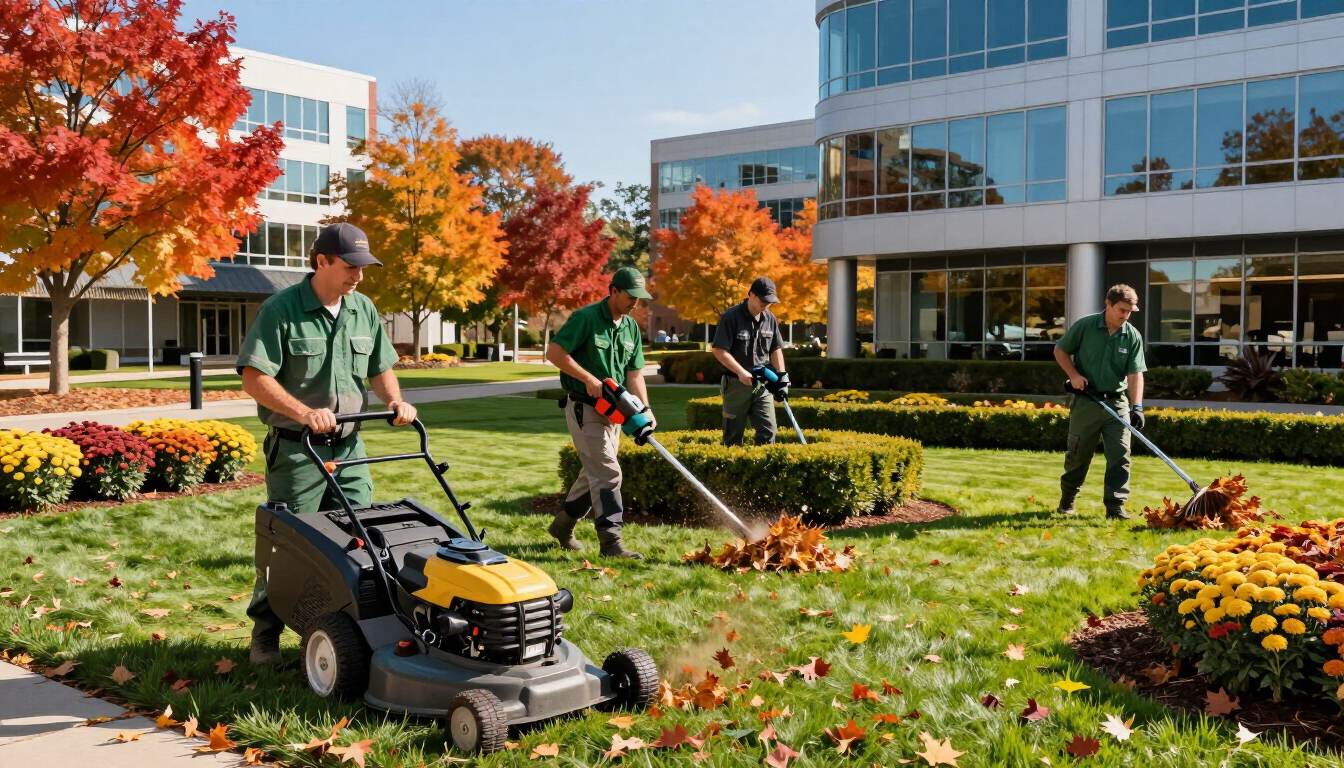
Fall is, hands down, the most important season for lawn renovation in Southern Maryland. Cooler air temperatures combined with soil that's still warm from summer create the perfect environment for seed germination, and there's far less weed competition than you'd face in spring.
Overseeding right after aeration lets new Tall Fescue seed settle directly into those aeration channels, giving it excellent soil contact and a much higher germination rate. This is also the best time to fill in thin or bare patches left over from summer heat stress, grubs, or heavy use.
Building a fertilization schedule that works
A single bag of fertilizer from the hardware store won't cut it for most Southern Maryland lawns. We recommend a season-long approach:
- Early Spring: A light feeding to support green-up without pushing excessive top growth before root systems are ready.
- Late Spring: A slow-release nitrogen application to carry your lawn into the stress of summer.
- Early Fall: A starter-style fertilizer alongside aeration and overseeding to fuel new seed growth.
- Late Fall: A final, nutrient-dense application that strengthens root systems heading into winter dormancy.
This rhythm keeps your lawn fed exactly when it needs it, rather than overwhelming it with nutrients during periods of heat or drought stress when grass can't use them efficiently.
Ready for a greener lawn this season?
A thriving lawn in Southern Maryland comes down to working with our region's soil, climate, and grass varieties rather than against them. If you're ready for a customized lawn care plan built around your property's specific soil conditions and sun exposure, SunScape Landscaping LLC is here to help. Reach out today to schedule a soil test and consultation, and let's get your lawn back on track for the seasons ahead.